
Airline miles are a currency, but unlike the dollars in your bank account, most have a shelf life. In the eyes of an airline’s accounting department, your unredeemed miles are a liability on their balance sheet. They call it “breakage”—revenue they can recognize once your points expire and disappear into the ether.
For the strategic traveler, letting miles expire is a mathematical sin. If you hold 50,000 miles valued conservatively at 1.2 cents each, letting them lapse is equivalent to taking $600 cash and lighting it on fire. Yet, millions of dollars in rewards vanish every year because members misunderstand the difference between “hard” and “soft” expiration policies.
In 2026, the landscape is starkly divided. US carriers have largely abandoned expiration to compete for loyalty, while international giants like Singapore Airlines and ANA strictly enforce “use it or lose it” rules. This guide analyzes the 2026 policies for every major carrier and provides the exact mathematical strategies to protect your assets.
The 3 Types of Expiration Policies
Before analyzing specific airlines, you must understand the mechanism governing your account. Not all expiration dates are created equal.
- No Expiration: Your miles are yours forever, provided your account remains open. This is the gold standard, currently dominated by US carriers.
- Soft Expiration (Activity-Based): The most common policy globally. Your miles expire after a set period (e.g., 24 months) of inactivity. However, any qualifying activity—earning or redeeming even 1 mile—resets the clock for the entire balance.
- Hard Expiration (Time-Based): The most dangerous policy. Each mile has a fixed expiration date (usually 36 months from the date earned) attached to it individually. New activity does not reset the clock for old miles. You must burn them or lose them.
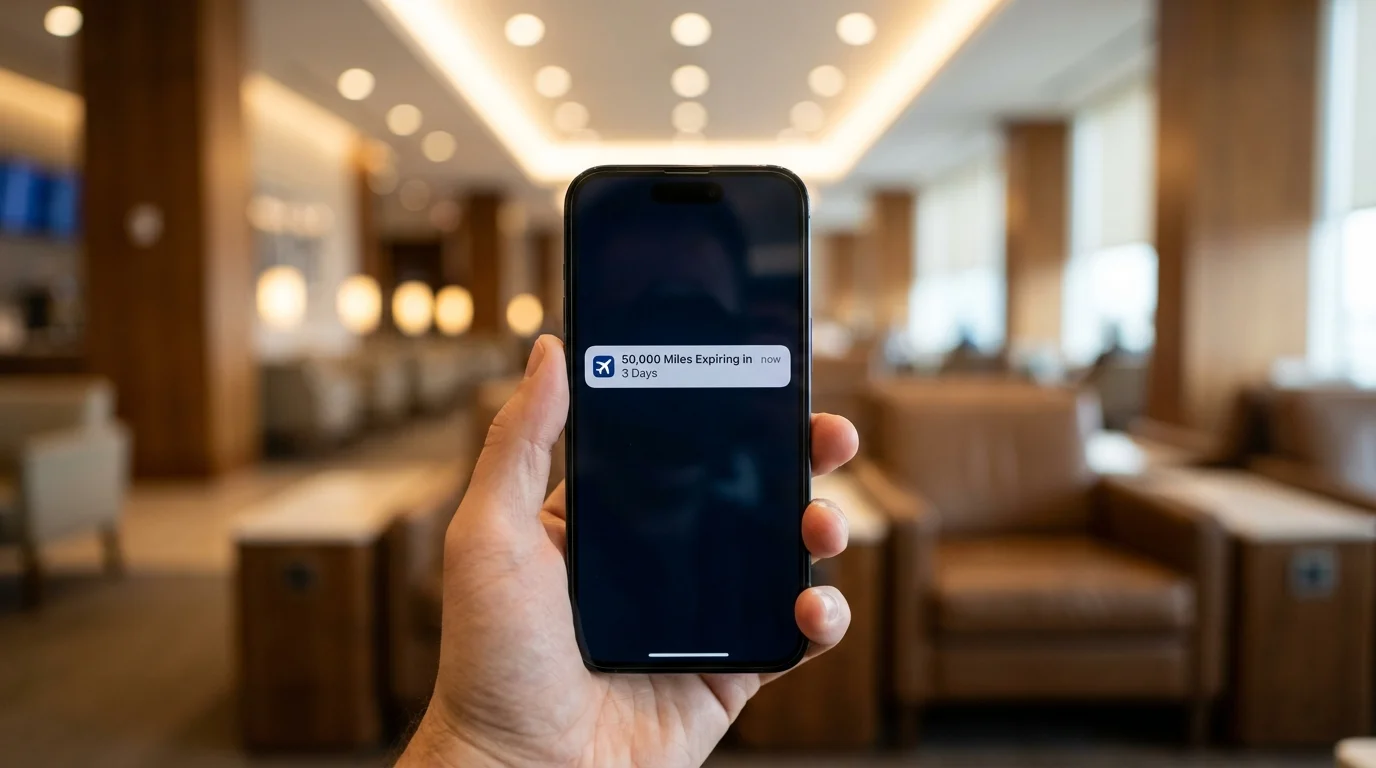
The “Safe” Zone: US Carriers With No Expiration
The US market underwent a massive shift between 2019 and 2021, effectively eliminating expiration for the major players. As of 2026, you can stockpile miles with these carriers indefinitely.
Delta SkyMiles & United MileagePlus
Both Delta and United have permanently removed expiration dates. Your miles will not expire regardless of inactivity. However, be aware that if you close your account or if the airline audits you for fraud, you can still lose them.
Southwest & JetBlue
Southwest Rapid Rewards and JetBlue TrueBlue also feature non-expiring points. This makes them excellent programs for casual travelers who might only fly once every few years.
Alaska Airlines
Alaska Mileage Plan miles do not expire. However, the program terms state that accounts may be locked or deactivated after 24 months of inactivity. This is a security measure, not a deletion of value. You can typically reactivate the account by verifying your identity, but it is safer to generate some activity once every two years just to avoid the hassle.
The “Soft” Expiration List: Reset Required
These programs require vigilance. If you go dormant, you lose everything. But a single transaction of $1 or 1 mile can save a portfolio worth thousands.
American Airlines AAdvantage (24 Months)
American is the only major US legacy carrier that still enforces expiration. Your miles expire after 24 months of inactivity.
The Fix: Holders of any Citi or Barclays AAdvantage credit card are exempt from expiration as long as the card account is open. If you don’t have a card, simply buy something through the AAdvantage eShopping portal or donate $5 to a partner charity.
Air Canada Aeroplan (Paused Until Nov 2026)
Normally, Aeroplan points expire after 18 months of inactivity. However, in a major policy update, Air Canada has paused expiration until November 30, 2026.
This is a massive opportunity to hoard points for Aeroplan’s dynamic pricing and partner awards without stress. After this date, the 18-month “soft” rule kicks back in. Earning, redeeming, or holding an Aeroplan credit card will reset the clock.
Avianca LifeMiles (12 Months)
LifeMiles is a favorite for avoiding surcharges on Star Alliance, but it has one of the strictest policies: 12 months of inactivity wipes your account.
The Math of Protection: Let’s say you have 63,000 LifeMiles (enough for a business class flight to Europe worth ~$2,500). If you are approaching the 12-month mark, you can buy 1,000 LifeMiles directly from Avianca for roughly $33.
- Cost to save: $33
- Value saved: $2,500
- ROI: 7,475%
Spending $33 to protect an asset worth $2,500 is basic financial prudence.
British Airways Avios (36 Months)
Your Avios expire after 36 months of inactivity. This applies to Iberia and Aer Lingus as well. Since 3 years is a long time, many users forget about it. Transferring 1,000 points from Amex or Chase to British Airways counts as activity and instantly resets the 36-month clock.
Air France/KLM Flying Blue (24 Months)
Flying Blue is tricky. Miles earned from flights expire after 24 months unless you take another qualifying flight. However, miles earned from credit cards or partners may have different validity rules depending on your elite status level.
Generally, crediting a flight or spending on a co-branded card extends the validity of all miles. Transfers from partners like Chase or Amex usually extend the validity, but rely on a “flight” activity to be 100% safe if you have a massive balance.
The Danger Zone: “Hard” Expiration Policies
These airlines do not care if you fly them every week. Your miles have a birth date and a death date. When the clock strikes 36 months (usually), the miles earned 3 years ago vanish.
| Airline | Time Limit | Can You Extend? | Status Exception |
|---|---|---|---|
| Singapore Airlines | 36 Months | Yes (Fee applies) | PPS Club Only |
| ANA (All Nippon) | 36 Months | No | Diamond Only |
| Lufthansa | 36 Months | No | Status or Credit Card Holder |
| Emirates | 3 Years (Birthday) | Yes (Fee applies) | Platinum Only |
| Turkish Airlines | 3 Years | Yes ($10/1k miles) | Classic Plus & above |
Singapore Airlines KrisFlyer
Singapore miles expire at the end of the month, 36 months after they were earned. If you have 100,000 miles earned in January 2023, they expire January 31, 2026.
Extension Math: You can pay a fee to extend miles for 6 months (General members) or 12 months (Silver/Gold). The cost is usually ~$12 USD or 1,200 miles per 10,000 block.
Analysis: Paying $12 to save 10,000 miles (worth ~$150) is smart. Paying 1,200 miles to save 10,000 miles is effectively a 12% tax on your balance. Always pay cash.
For more on maximizing these miles before they die, read our Complete 2026 Guide to Singapore Airlines KrisFlyer.
ANA Mileage Club
ANA is ruthless. Miles expire 36 months after earning. No extensions allowed unless you are a Diamond member (top tier). This makes ANA miles poor candidates for long-term hoarding.
Strategy: Do not transfer points to ANA until you have confirmed availability and are ready to book. Leaving points sitting in ANA Mileage Club is a ticking time bomb. See our ANA Mileage Club 2026 Guide for details on how to book before the clock runs out.
Lufthansa Miles & More
German efficiency applies here: miles expire after 36 months. However, if you hold a Miles & More credit card (available in some European markets and the US) and make at least one purchase a month, your miles are protected. Status holders (Senator/HON Circle) are also exempt.

How to Calculate the Cost of Expiration
Many travelers let miles expire because they underestimate their value. You must view miles as a pseudo-currency. Here is the math you should run before deciding to let an account lapse.
The “Rescue” Calculation:
Most airlines allow you to “buy back” expired miles or pay to extend them. Is it worth it?
- Scenario: You have 20,000 Turkish Miles expiring.
- Cost to Extend: Turkish charges $10 USD per 1,000 miles. Total cost = $200.
- Redemption Value: A one-way Business Class flight within North America (via Star Alliance) costs 15,000-20,000 miles. Cash price: ~$800.
- The Math: $800 (Value) – $200 (Cost) = $600 Net Positive.
- Decision: Pay the fee.
Conversely, if you have 3,000 Delta miles (worth ~$36) and it costs $50 to reinstate them, let them go. They are underwater assets.
3 Strategies to Reset “Soft” Expiration Instantly
If you are managing a “Soft Expiration” account (AA, Avianca, BA), you never need to fly to save your miles. Use these three methods to generate activity in under 5 minutes.
- The Donation Hack: Most airline portals have a “Donate Miles” option. Donating 1,000 miles to charity counts as a redemption activity. It reduces your balance slightly but secures the remaining 99% for another 12-36 months.
- The Dining Portal Double-Dip: Link your credit card to the airline’s dining program. Buy a coffee or a bagel at a participating restaurant. You will earn maybe 5 miles, but that activity resets the entire clock. Check out Are Dining Reward Programs Worth It? for the setup.
- The iTunes/Amazon Portal Purchase: Go to the airline’s shopping portal. Click through to iTunes or a similar digital store. Buy a $1 song or a $5 gift card. The purchase earns miles, posting activity to your account within days.
Common Gotcha: Family Pooling
Be careful with Family Pooling accounts (e.g., Frontier, JetBlue, British Airways). In some programs, activity in the “Head of Household” account does not prevent expiration for the member accounts. Each member often needs their own qualifying activity to keep their specific contribution alive. Always check the fine print on pooling policies.
Conclusion: The “Portfolio” Mindset
In 2026, treating your airline miles with the same rigor as your investment portfolio is non-negotiable. The divergence between US carriers (no expiration) and international carriers (hard expiration) creates a trap for the unprepared.
If you hold miles with Singapore, ANA, or Lufthansa, you are on a deadline. Track these dates religiously using a spreadsheet or a tool like AwardWallet. For soft-expiration programs like Avianca or British Airways, set a calendar reminder once a year to buy a $1 song or donate a few points.
The math is simple: Spending $5 or 5 minutes to save $5,000 worth of travel is the highest ROI activity you can perform in the travel hacking game. Don’t let the airline revenue managers win.
Frequently Asked Questions
Do airline miles expire if I have a credit card?
It depends on the airline. For American Airlines and Lufthansa, holding a co-branded credit card generally prevents miles from expiring as long as the account is open and active. However, for “Hard Expiration” programs like Singapore Airlines or ANA, having a credit card usually does not stop the expiration clock.
Can I get my expired miles back?
Sometimes. US airlines like American often allow you to pay a fee to “reinstate” miles that expired within the last 18-24 months. The fee is often steep (e.g., $200-$600 depending on the amount). International carriers with “Hard” expiration policies (Singapore, ANA) rarely allow reinstatement once the date has passed.
Does transferring points count as activity?
Yes, for “Soft Expiration” airlines (British Airways, Avianca, Air Canada), transferring points from Amex, Chase, or Citi into the airline account counts as “earning” activity and will reset your expiration clock. This is one of the fastest ways to save your miles.
What is the expiration date for Air Canada Aeroplan in 2026?
Air Canada has paused point expiration until November 30, 2026. No points will expire before this date. After this date, the standard 18-month inactivity policy will resume.