
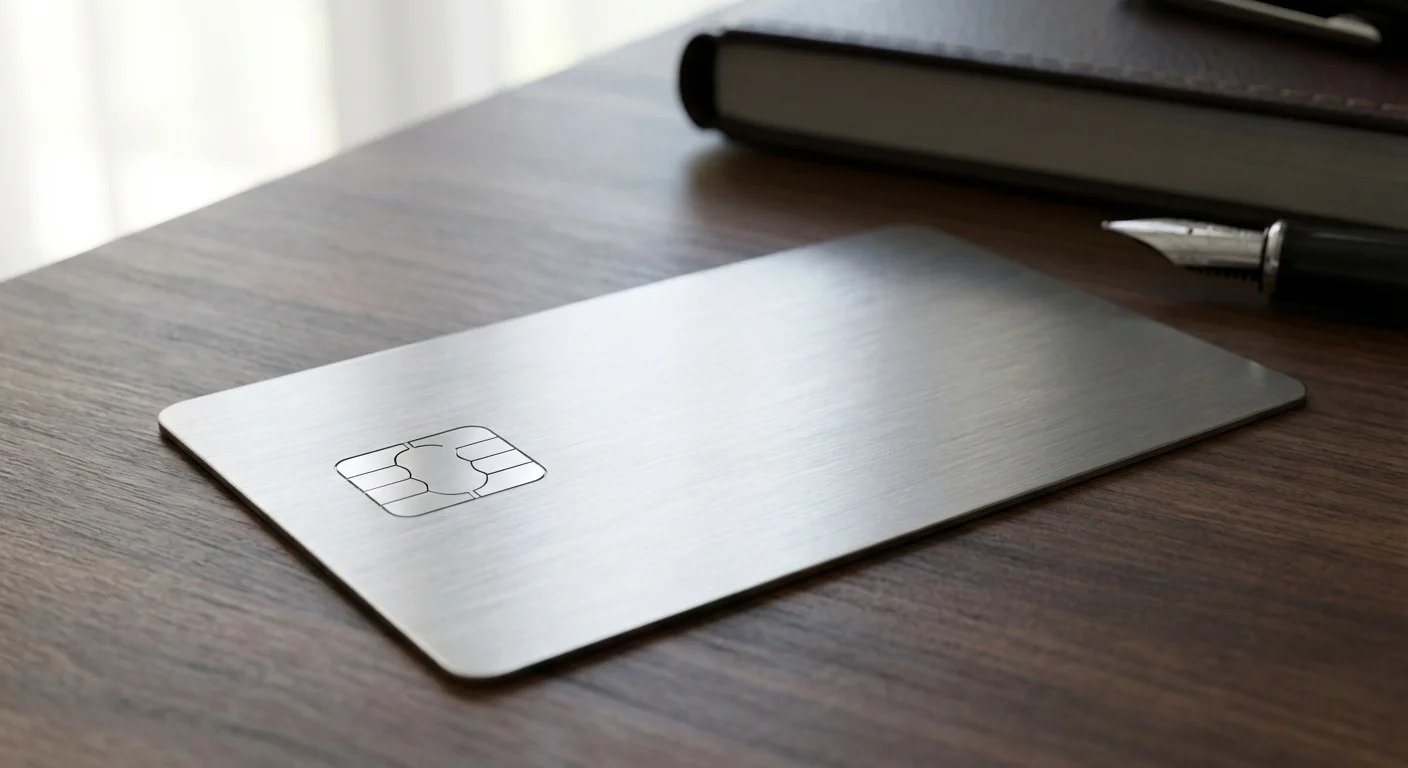
If you are standing in a pharmacy aisle looking at a rack of plastic cards, or browsing online for a way to manage your money without a traditional bank account, the terminology can be deliberately confusing. Secured credit cards and prepaid cards look identical. They both have 16-digit numbers, expiration dates, and Visa or Mastercard logos. They both allow you to swipe or tap to pay.
However, choosing the wrong one can set your financial progress back by years. One of these cards is a powerful tool that can significantly raise your credit score—often by 50 to 100 points in six months. The other is essentially a digital wallet that does nothing for your financial reputation.
The Core Difference: Credit Building vs. Spending Control
The fundamental difference between secured and prepaid cards is their impact on your credit history. Secured credit cards are true credit instruments that require a refundable security deposit and report your payment history to the three major credit bureaus (Equifax, Experian, TransUnion). They are designed specifically to build or repair credit. In contrast, prepaid cards are debit instruments loaded with your own funds; they do not offer a line of credit, do not require a hard credit pull, and generally do not report activity to credit bureaus, meaning they cannot help you improve your credit score.
Deep Dive: How Secured Credit Cards Work
A secured credit card acts exactly like a traditional “unsecured” credit card, with one safety mechanism: the security deposit. When you open the account, you give the bank a sum of money—typically between $200 and $500—which they hold in a locked account. This deposit usually becomes your credit limit. If you deposit $300, you have a $300 credit limit.
The “Revolving” Door of Credit
Unlike a prepaid card where you spend your deposit, with a secured card, you do not spend the security deposit. You spend the bank’s money. You make a purchase, receiving a bill at the end of the month, and you pay it off. Your deposit sits untouched as insurance for the bank.
Because you are borrowing money and paying it back, the bank reports this “good behavior” to the credit bureaus. This reporting is vital for improving your score. In fact, consistently paying a secured card off on time is one of the fastest ways to recover from bankruptcy or a thin credit file.
The Graduation Goal
The best feature of a secured card is that it isn’t permanent. Most major issuers review your account after 6 to 12 months. If you have paid on time, they will often “graduate” you to an unsecured card and mail you a check for your full deposit. This allows you to eventually transition to better products, like the best no-annual-fee travel credit cards, which earn rewards rather than just building credit.
Deep Dive: How Prepaid Cards Work
Think of a prepaid card as a gift card that you can reload. You are not borrowing money; you are spending money you already possess. You load $200 onto the card at a grocery store or via direct deposit, and then you can spend up to $200. Once the balance hits $0, the card declines until you add more money.
The “Unbanked” Alternative
Prepaid cards are designed for the “unbanked”—individuals who may not be able to open a standard checking account due to past banking issues (like unpaid overdraft fees reported to ChexSystems). They provide a way to pay for Netflix, shop on Amazon, or book an airline ticket without needing a bank account.
The Fee Trap
The mathematical downside of prepaid cards is the fee structure. Because the issuer doesn’t earn interest on debt (since you aren’t borrowing), they make money through fees. Common fees in 2026 include:
- Monthly Maintenance Fee: $5.00 – $9.95 per month.
- Reload Fee: $3.95 – $5.95 when adding cash at a retailer.
- ATM Withdrawal Fee: $2.50 per transaction plus operator fees.
- Inactivity Fee: Charged if you don’t use the card for 90 days.
If you pay $9.95 a month just to have the card, you are losing nearly $120 a year. Compare this to many reputable secured cards which have a $0 annual fee.
Comparison Table: Side-by-Side Analysis
| Feature | Secured Credit Card | Prepaid Debit Card |
|---|---|---|
| Reports to Credit Bureaus? | YES (Critical for building score) | NO (Zero impact on credit) |
| Security Deposit? | Yes ($200+, refundable) | No (But requires initial load) |
| Credit Check? | Yes (Soft or Hard Pull) | No (Guaranteed Approval) |
| Interest Rates (APR)? | Yes (If you carry a balance) | No (You cannot carry a balance) |
| Typical Monthly Fees | Usually $0 | $5.00 – $9.95 |
| Fraud Protection | Strong (Credit Card Act / Reg Z) | Strong (CFPB Prepaid Rule / Reg E) |
Why You Should Almost Always Choose Secured
If your goal is financial health, the secured card is the mathematically superior choice. Let’s look at the numbers. Suppose you have $300 to start.
Scenario A: Prepaid Card
You buy a prepaid card and load $300. You pay a $5.95 activation fee and a $9.95 monthly fee. By the end of the year, you have spent nearly $125 in fees. Your credit score has not changed by a single point.
Scenario B: Secured Card
You open a secured card with a $300 deposit. Most reputable secured cards in 2026 have a $0 annual fee. You use the card for gas and pay it off every month. You pay $0 in interest. At the end of the year, your credit score has likely increased significantly because you have 12 months of on-time payment history. When you close the account or graduate, you get your $300 back. Total cost: $0.
Furthermore, maintaining a low balance on your secured card is crucial. Many people believe they need to carry a balance to build credit, but this is false. You should aim for a credit utilization ratio of 1-10%. This means if your secured limit is $300, you should never have a statement balance higher than $30. Pay it off in full, every single month.
When Does a Prepaid Card Make Sense?
Despite the downsides, prepaid cards serve a specific purpose. If you are currently in active bankruptcy, have no government ID that allows for a credit check, or simply want to give a teenager a spending card with a hard cap that prevents debt, a prepaid card is a functional tool.
Additionally, they can be useful for budgeting. If you have a tendency to overspend, loading your “grocery budget” onto a prepaid card ensures you physically cannot spend more than you allocated. However, for most consumers, a standard debit card attached to a free checking account achieves this same goal without the monthly fees.
How to Transition from Secured to Unsecured
The goal of a secured card is to stop using it eventually. It is a stepping stone. Once your score improves (typically crossing the 670 FICO mark), you should look to “graduate.”
Many issuers allow you to product change your secured card to an unsecured version. This is the ideal scenario because it preserves your credit age. Before you cancel any card, read our guide on when to downgrade or product change to ensure you don’t accidentally hurt your score by closing your oldest account.
A Warning on “Hybrid” Cards
In 2026, we are seeing a rise in “fintech” cards that blur the line. Some apps offer “credit building” debit cards. Be diligent with these. While some major players (like Chime or Varo) now report to all three bureaus, others may not. Always check the fine print to ensure they report to all three credit bureaus. Some lesser-known apps only report to TransUnion, which limits their effectiveness if a future lender pulls your Experian report. For reliable, guaranteed results, a traditional secured card from a major bank remains the gold standard.
The Verdict: Which Card is For You?
Choose a Secured Credit Card IF:
- You want to improve your credit score.
- You can afford to tie up $200+ for a year as a deposit.
- You trust yourself to pay the bill on time every month.
- You want to eventually qualify for mortgage or auto loans.
Choose a Prepaid Card IF:
- You cannot open a bank account due to ChexSystems issues.
- You want to avoid a credit check entirely.
- You want strictly limited spending with zero risk of debt.
- You are willing to pay monthly fees for the convenience of electronic payments.
For more details on how credit scoring works and how to protect your financial health, the Consumer Financial Protection Bureau (CFPB) offers excellent government-backed resources. Additionally, if you are unsure where your credit stands today, you can get a free report annually via AnnualCreditReport.com.
Frequently Asked Questions
Do prepaid cards help build credit?
No. Prepaid cards generally do not report your payment history to credit bureaus. Since you are spending your own money rather than borrowing from a lender, there is no debt to “manage,” and therefore no credit data to report. If your goal is to build a credit score, you must use a secured credit card instead.
Can I get my deposit back from a secured card?
Yes. The security deposit on a secured credit card is fully refundable. You will receive your deposit back in two scenarios: 1) You pay off your balance and close the account, or 2) The bank “graduates” you to an unsecured card and refunds the deposit as a statement credit or check.
Are secured cards expensive?
They shouldn’t be. While some “predatory” subprime lenders charge high application and annual fees, most reputable banks offer secured cards with $0 annual fees. The only “cost” is the temporary loss of access to your security deposit funds while the account is open.
Who qualifies for a secured credit card?
Almost anyone can qualify for a secured card, even with bad credit or no credit history. Because the deposit protects the bank from loss, approval standards are very lenient. However, you still need to provide income information and verify your identity.