
Timing is the single most critical variable in the award travel equation. You can have a million points in your account, but if you don’t understand the release logic of airline inventory systems, those points are mathematically worthless.
The difference between redeeming for a $12,000 ANA First Class suite and sitting in economy often comes down to logging in at the exact minute the schedule opens.
This isn’t just about dates. It is about understanding the underlying software logic airlines use to manage yield.
I treat loyalty programs like an operating system. If you know the code, you can exploit the bugs. Here is the definitive analysis of when airlines release award seat availability for 2025.
The “330-Day” Standard: An Outdated Metric?
For years, the rule of thumb was “check 330 days out.” That is lazy advice. In the current ecosystem, precision is required.
Airlines operate on specific “booking horizons.” This is the maximum number of days in advance their system allows a ticket to be issued.
If you are trying to book a highly competitive route—like New York (JFK) to Tokyo (HND)—being off by 24 hours means you lose the seat. The “330-day” rule is merely an average, not a law.
Some carriers, like Aegean and El Al, open up nearly a full year (362 days) in advance. Others, like Emirates, hold back until 328 days prior.
The Mathematical Advantage of Precision
Why does this matter? Let’s look at the CPM (Cents Per Mile) calculation.
If you book a Lufthansa First Class ticket the moment the schedule opens (or T-14 close-in), you might pay 87,000 miles for a ticket retailing at $9,500.
The math is undeniable:
- Retail Price: $9,500
- Taxes/Fees: ~$500
- Net Value: $9,000
- Points Cost: 87,000
- Result: 10.3 cents per point.
If you miss that window and are forced to book a “Standard” or “Anytime” award later, the price could jump to 170,000+ points, slashing your value in half to roughly 5.1 cents per point.
Timing isn’t just convenience; it is currency preservation.
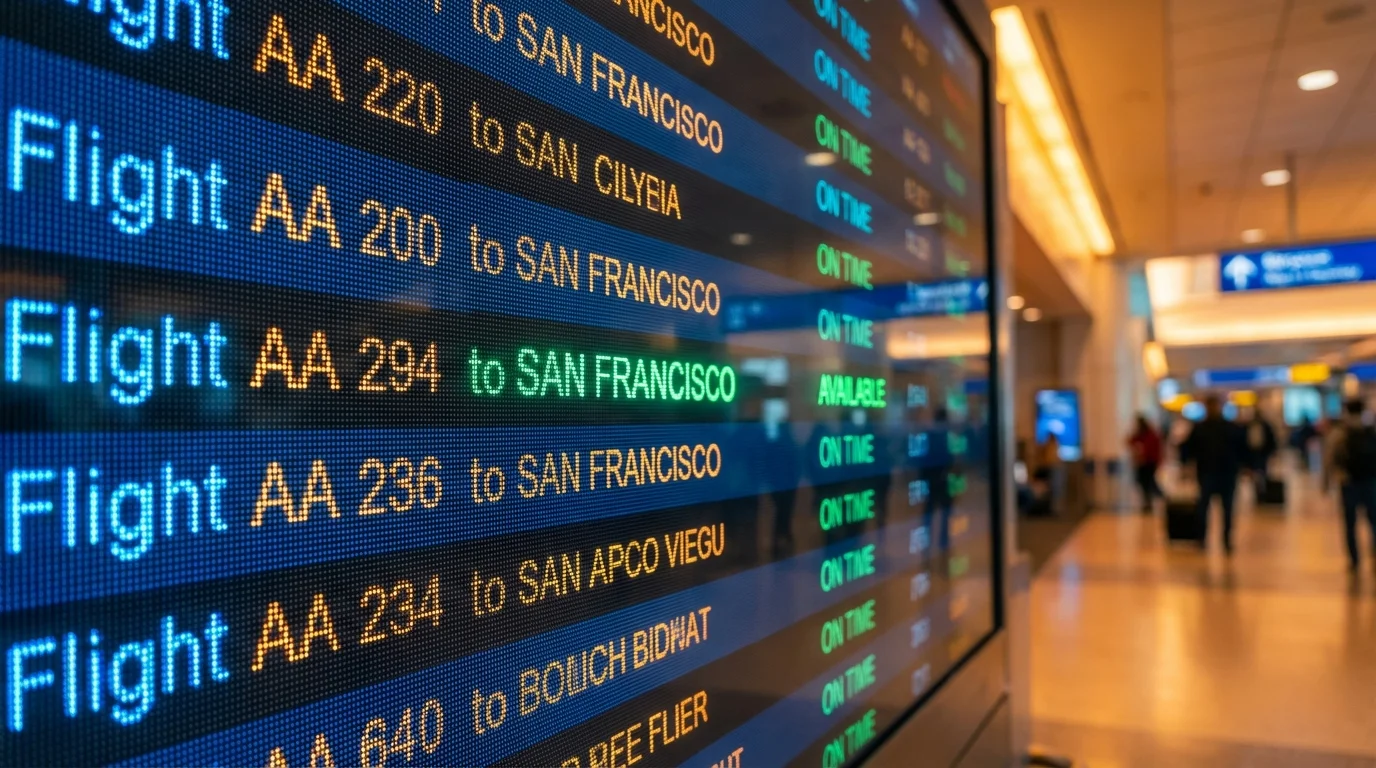
Master Chart: Airline Award Release Dates (2025)
I have compiled the data for the major carriers below. These numbers represent the number of days prior to departure that the schedule opens.
Note that “Days Out” usually includes the current day. Always verify the specific time zone of the carrier’s HQ.
| Airline (Loyalty Program) | Alliance | Days Released in Advance |
|---|---|---|
| Aegean Airlines (Miles+Bonus) | Star Alliance | 362 days |
| Aeromexico (Aeromexico Rewards) | SkyTeam | 330 days |
| Air Canada (Aeroplan) | Star Alliance | 355 days |
| Air France / KLM (Flying Blue) | SkyTeam | 359 days |
| <Alaska Airlines (Atmos Rewards) | oneworld | 330 days |
| ANA (Mileage Club) | Star Alliance | 355 days |
| American Airlines (AAdvantage) | oneworld | 331 days |
| Asiana Airlines (Asiana Club) | Star Alliance | 361 days |
| Avianca (LifeMiles) | Star Alliance | 360 days |
| British Airways (Executive Club) | oneworld | 355 days |
| Cathay Pacific (Cathay) | oneworld | 360 days |
| Delta Air Lines (SkyMiles) | SkyTeam | 331 days |
| El Al (Matmid) | Non-alliance | 362 days |
| Emirates (Skywards) | Non-alliance | 328 days |
| Etihad Airways (Etihad Guest) | Non-alliance | 330 days |
| EVA Air (Infinity MileageLands) | Star Alliance | 360 days |
| Finnair (Finnair Plus) | oneworld | 331 days |
| Garuda Indonesia (GarudaMiles) | SkyTeam | 331 days |
| Hainan Airlines (Fortune Wings Club) | Non-alliance | 362 days |
| Iberia (Iberia Plus) | oneworld | 360 days |
| Japan Airlines (Mileage Bank) | oneworld | 360 days |
| Korean Air (SKYPASS) | SkyTeam | 361 days |
| Lufthansa (Miles & More) | Star Alliance | 360 days |
| Malaysia Airlines (Enrich) | oneworld | 360 days |
| Qantas (Frequent Flyer) | oneworld | 353 days |
| Qatar Airways (Privilege Club) | oneworld | 361 days |
| Singapore Airlines (KrisFlyer) | Star Alliance | 355 days |
| THAI Airways (Royal Orchid Plus) | Star Alliance | 340 days |
| United Airlines (MileagePlus) | Star Alliance | 337 days |
| Virgin Atlantic (Flying Club) | SkyTeam | 331 days |
| Virgin Australia (Velocity) | Non-alliance | 330 days |
The “Partner Lag” Phenomenon
This is where most novices fail. They assume that if a seat is available on the airline’s website, it is available everywhere. That is false.
Let’s say you want to book a British Airways flight using American Airlines AAdvantage miles. See our guide to maximizing AAdvantage miles.
British Airways releases seats 355 days out. However, American Airlines’ own calendar only extends 331 days out.
The Conflict: Even though the seat exists in British Airways’ system, American Airlines’ computer literally cannot “see” that date yet. You are in a blackout period of 24 days.
By the time the American Airlines calendar catches up (at day 331), members using British Airways Avios, Cathay Pacific (Cathay), or other programs with longer windows have likely already snatched the best seats.
The Strategy:
- If you are booking a highly competitive product (like Qsuites or ANA The Room), use the points currency with the longest booking window.
- Don’t rely on a partner program with a shorter calendar for “Unicorn” redemptions.
The “T-14” Strategy: Last-Minute Availability
If you miss the 330+ day window, do not panic. The second best time to book is two weeks before departure.
Airlines use complex revenue management algorithms. They want to sell seats for cash first. But if a Business Class seat is unsold 14 days before the flight, the statistical probability of selling it for $4,000 cash drops significantly.
At this point (often called “T-14”), airlines dump this unsold inventory into the award bucket to earn some revenue from the loyalty program liability.
Real-World Examples:
- Lufthansa First Class: Almost exclusively released to partners (like LifeMiles or Aeroplan) roughly 14 days prior to departure.
- ANA: Often opens sporadic availability T-21 to T-14 days out.
- Cathay Pacific: Frequently opens unsold First Class seats within 10 days of departure.
This approach requires flexibility, but it yields the highest value per point.
Time Zones and The “Midnight” Rule
When we say “355 days out,” what time exactly?
Airlines are global entities. Their servers usually reset based on the local time of their Headquarters.
If you are in New York trying to book a Singapore Airlines flight, you aren’t waiting for midnight EST. You are waiting for midnight in Singapore (SGT).
The Calculation:
- Singapore is typically 12-13 hours ahead of New York.
- If seats release at midnight SGT, they become bookable around 11:00 AM or 12:00 PM the previous day in New York.
I have secured seats simply because my competition assumed they had to wake up at midnight local time, while I booked comfortably during my lunch break.
Always use a reliable Time Zone Converter to determine the exact moment “Day 355” begins at the airline’s HQ.
Phantom Availability: The Ghost in the Machine
Sometimes you will see a seat that looks available, but the transaction fails. This is called “Phantom Availability.”
This occurs due to caching errors between partner systems. For example, United’s website might show a Lufthansa seat that was actually booked 4 hours ago. The data cache hasn’t refreshed.
How to Verify:
- Never transfer flexible points (like Amex or Chase) until you verify the seat is real.
- The Double-Check Method: If you see a seat on Air Canada Aeroplan, check if it also appears on United.com or ANA.co.jp.
- If it appears on two independent partner sites, it is likely real. If it only appears on one, proceed with extreme caution.
Pro Tip: The Manual Call
If you suspect phantom availability or a website glitch, call the airline. It sounds archaic, but agents use a different interface (usually a GDS native terminal) that bypasses the cached web data. I have saved multiple itineraries by calling in when the website threw an error.
Frequently Asked Questions
Do airlines release award seats at a specific time of day?
Yes. Most airlines load new inventory at midnight in the time zone of their corporate headquarters. For example, British Airways releases seats at midnight GMT, while Singapore Airlines releases them at midnight Singapore time (SGT). You must adjust for your local time zone to catch the release instantly.
Is it better to book immediately when seats are released?
For high-demand routes (like Sydney to LAX or London to Tokyo) in premium cabins, yes. These “Saver” awards are often snapped up within minutes. For less competitive routes, you may have more flexibility, but booking early guarantees the lowest point price.
What is the difference between Saver and Standard award availability?
Saver awards cost the least amount of miles (e.g., 60k points) but have very limited availability. Standard or “Anytime” awards have much better availability but can cost 2x or 3x the price (e.g., 150k points). Always aim for Saver space to maximize your CPM.
Why can’t I see availability on a partner airline?
This is usually due to “Partner Lag.” If the partner airline has a shorter booking window (e.g., Delta at 331 days) than the operating airline (e.g., Air France at 359 days), you won’t see the seats on Delta’s site until the 331-day mark, by which time they may be gone.